Centre Eyes Harsher MV Act: Uninsured Cars, Risky Drivers Face Crackdown

Overview
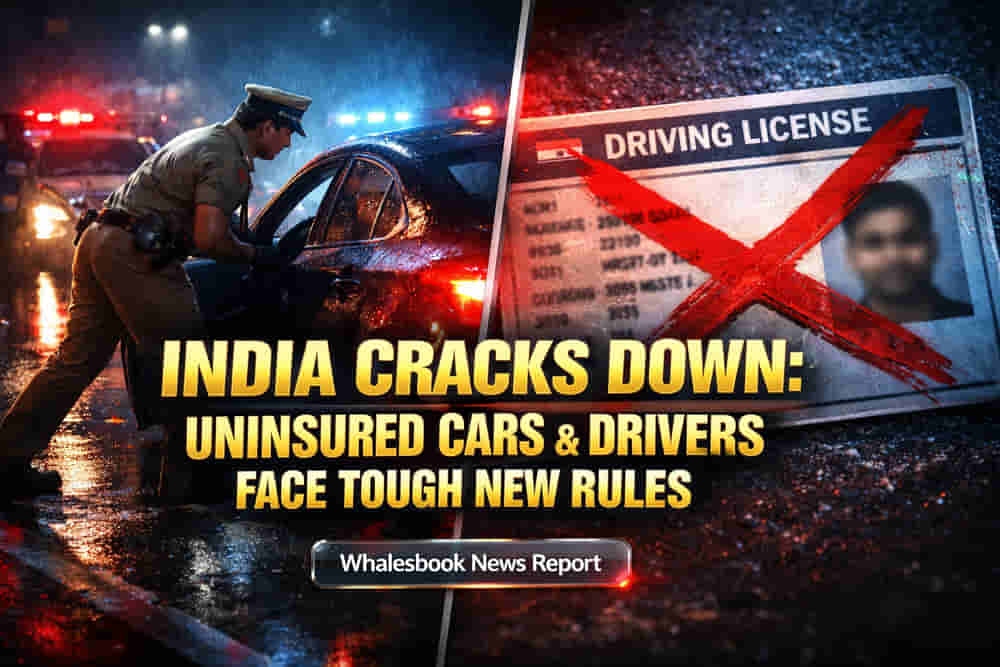
India's Ministry of Road Transport and Highways is set to overhaul the Motor Vehicles Act, proposing tougher penalties for unsafe drivers and uninsured vehicles. Key changes include detaining uninsured cars, imposing three-year bans on re-issuing licenses to revoked drivers, and linking insurance premiums to a vehicle's violation history. These measures aim to enhance road safety and compliance.
Centre Proposes Major Overhaul of Motor Vehicles Act
New Delhi – The Union Ministry of Road Transport and Highways is spearheading a significant revision of the Motor Vehicles (MV) Act, aiming to drastically curb unsafe driving and the prevalence of uninsured vehicles across India. The proposed amendments, discussed in a recent meeting with state transport ministers, signal a stricter regulatory environment for vehicle owners and drivers.
Detaining Uninsured Vehicles and Revoked Licences
A core proposal grants enforcement agencies enhanced powers to detain vehicles found without valid insurance. Furthermore, individuals whose driving licences have been cancelled or revoked will face a mandatory three-year waiting period before being eligible for a new licence. This measure targets repeat offenders, preventing them from quickly resuming driving after serious violations.
Driving Tests Linked to Violation History
The ministry is considering removing the current exemption for driving tests during licence renewals for individuals with a history of traffic violations. This initiative seeks to ensure drivers with poor safety records undergo rigorous assessment before their licences are revalidated, promoting accountability on the roads.
Insurance Premiums Tied to Driver Behaviour
In a move that could reshape the insurance landscape, Section 147 of the MV Act may be amended to permit the Insurance Regulatory and Development Authority of India (IRDAI) to set base insurance premiums based on factors like vehicle age and traffic violation records. This data-driven approach would allow insurers to assess risk more accurately, potentially making insurance more expensive for riskier drivers.
Expanding Mandatory Insurance Cover
A substantial portion of vehicles, particularly two-wheelers, operate without mandatory third-party insurance. The government plans to broaden the scope of this coverage to include owners, drivers, and occupants of personal vehicles, not just commercial ones. This aims to provide wider financial protection for accident victims.
Stricter Rules for Heavy Vehicle Licences
New regulations are being explored for heavy vehicle licences, introducing a graded eligibility system. Drivers will need to accrue experience and demonstrate advanced skill levels before operating larger vehicles, enhancing safety for heavy transport operations.
Medical Checks for Older Drivers
The age threshold for mandatory medical certificates for driving licence applications and renewals is proposed to be raised from 40 to 60 years. This adjustment means older drivers will require regular medical fitness reports, while younger drivers might be exempted under the revised rules. These comprehensive changes aim to foster responsible driving and bolster road safety across the nation.