India's EMI Nightmare: Easy Loans Drain Salaries, Fuel Debt Crisis

Overview
A nationwide survey reveals easy access to credit has morphed into a severe debt crisis for Indian households. High EMIs consume over 85% of distressed borrowers' income, forcing desperate measures like asset sales, education cuts, and enduring aggressive recovery tactics. The strain causes significant mental health impacts, highlighting systemic issues in India's credit ecosystem.
Silent Debt Crisis Grips Indian Households
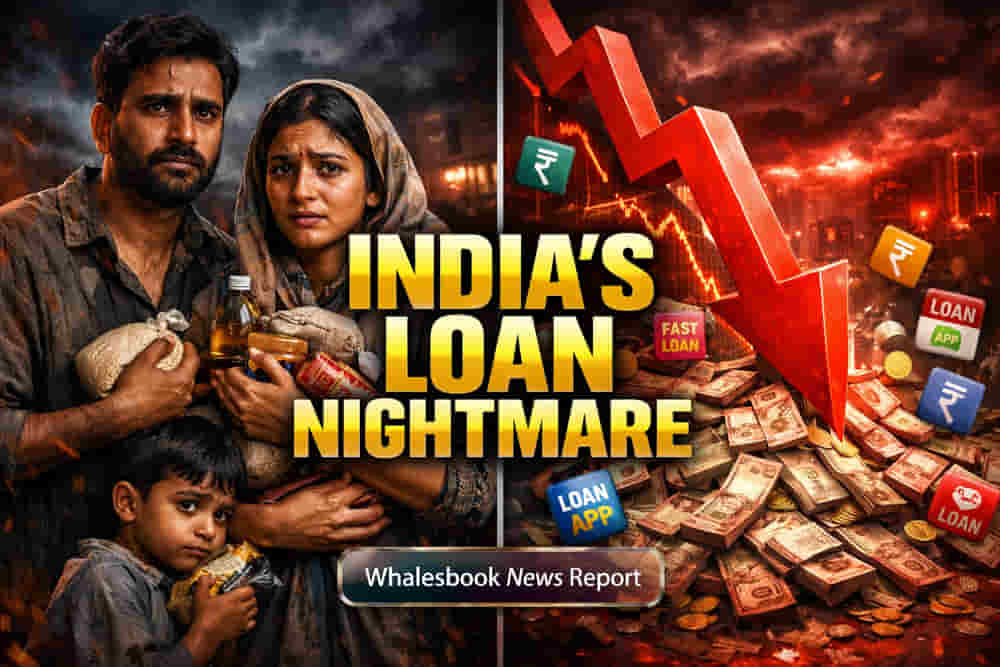
Anxiety, not hope, marks the start of the month for many Indian families as salaries are immediately consumed by EMIs, credit card bills, and loan app reminders. What began as accessible credit to manage gaps has transformed into a persistent strain, creating a silent debt crisis where borrowing is now a monthly necessity, not occasional support.
Survey Exposes Widespread Distress
A survey by Expert Panel, spanning June to December 2025 among 10,000 distressed Indian borrowers, starkly illustrates the problem. Debt pressure has become a defining feature, with 85% of respondents spending a significant portion of their income on loan repayments before accounting for essentials like food, rent, or transport. For those earning ₹35,000 to ₹65,000 monthly, EMIs can range from ₹28,000 to ₹52,000, pushing budgeting from choice to survival.
Desperate Measures and Harassment
To stay afloat, 40% of borrowers rotate credit cards, and 22% rely on informal lenders or family. Many resort to taking new loans to service old ones, deepening the debt cycle. This pressure forces harsh sacrifices: 65% cut essential spending, including withdrawing children from school, delaying medical treatment, and reducing food budgets. Sixteen percent take salary advances, and 15% liquidate assets like gold, stocks, or property.
Recovery Tactics and Mental Toll
As repayment capacity weakens, borrowers face aggressive recovery practices. Seventy-two percent report harassment, with frequent, often abusive calls, sometimes outside permitted hours. Many receive 50-100 calls monthly, with threats of legal action and even home visits. This pressure extends to families, impacting reputations and professional standing.
Systemic Issues and Recommendations
Beyond finances, over half of distressed borrowers suffer serious mental health issues like anxiety, depression, and suicidal thoughts. The report identifies structural flaws, including rapid expansion of buy-now-pay-later schemes and loan apps without adequate checks, coupled with poorly regulated recovery practices and low borrower awareness of rights. Expert Panel calls for urgent debt relief mechanisms, stricter regulation of recovery agencies, interest rate caps on digital loans, and enhanced financial literacy programs. The crisis builds quietly, one EMI at a time, turning easy loans into a monthly nightmare for millions.