Budget 2026: Auto Sector Seeks Infra, EV Push for Growth

Overview
India's automotive industry is anticipating the Union Budget 2026 for measures to boost growth and counter market volatility. Key demands include enhanced infrastructure spending, stronger rural income support, and accelerated electric vehicle adoption. Industry stakeholders expect incremental rather than transformational policy shifts, focusing on sustained economic drivers.
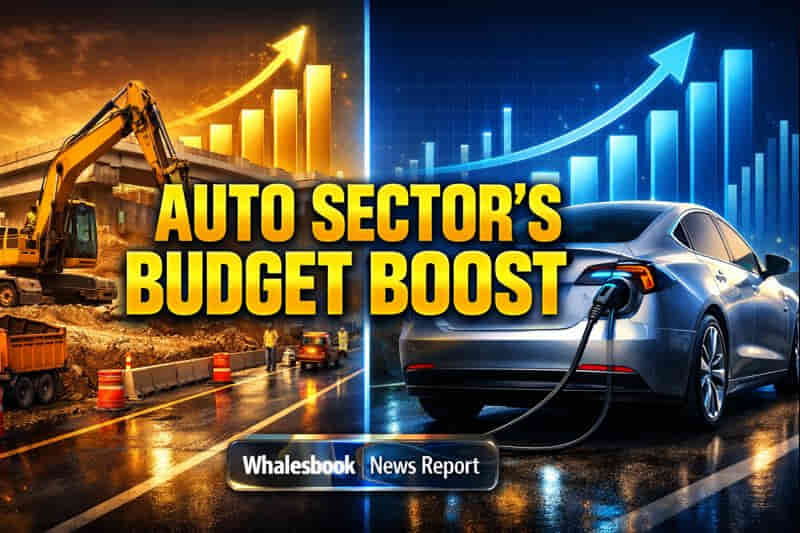
Budget 2026: Auto Sector Aims for Growth Levers
The Indian automotive industry is pinning its hopes on the upcoming Union Budget 2026 to reinforce its growth trajectory, mitigate cyclical demand fluctuations, and navigate persistent global supply chain disruptions. Manufacturers and component suppliers are urging the government to prioritize increased expenditure, uphold policy consistency, and actively support sustainable mobility solutions.
Infrastructure Spending Takes Center Stage
Following the GST 2.0 implementation, the sector's focus has decisively shifted towards infrastructure-led expansion. Automakers are advocating for continued or elevated budgetary allocations towards roads, transport, and logistics. Such investments are seen as crucial for improving mobility, alleviating supply chain bottlenecks, reducing operational costs, and ultimately stimulating vehicle demand over the medium term.
Rural Demand as a Key Driver
Support for rural incomes remains a significant expectation. Rural consumption significantly influences demand for entry-level passenger vehicles, two-wheelers, and small commercial vehicles. Policies designed to bolster farm income or enhance rural spending power could translate into substantial volume increases for the auto sector.
Electric Mobility Push
Electric vehicles are expected to feature prominently in pre-Budget discussions. While adoption is gaining traction, particularly in urban centers, high initial costs and ecosystem gaps continue to impede widespread penetration. With growing concerns over air quality, the industry seeks fresh policy signals to accelerate EV uptake. Past incentives, such as tax exemptions up to ₹1.5 lakh on certain vehicle purchases, previously stimulated demand and similar support is hoped for.
Rare Earth Magnet Strategy
Rare earth elements are crucial for high-performance magnets in EV traction motors. Reducing reliance on China for these critical materials is a strategic priority. The government's ₹7,280-crore scheme to develop a domestic Rare Earth Permanent Magnet (REPM) ecosystem is a positive step, but the industry seeks further implementation clarity and support in the upcoming Budget.
Global Headwinds
Exports represent an important growth avenue for many Indian auto players. However, global demand uncertainty, currency volatility, trade tariffs, and geopolitical risks present significant headwinds. Policy support aimed at improving domestic competitiveness and reducing logistics costs will remain relevant for export-focused firms.
Outlook: Incremental Gains Expected
Overall, expectations for large, sector-specific, transformational announcements are tempered. Recent GST rate cuts have provided considerable relief, and demand trends are showing resilience. The Budget is anticipated to concentrate on broad-based economic growth drivers like infrastructure and income support rather than direct fiscal incentives for the auto sector.