CEA: Linking Credit to Health is Self-Development, Banks Must Absorb Borrowers

Overview
Chief Economic Adviser V. Anantha Nageswaran stated that linking credit to health protection is a form of self-development finance, not charity. Speaking at a global summit, he urged mainstream banks to actively integrate proven borrowers, like street vendors from schemes such as SVANidhi, into their core portfolios. Nageswaran emphasized that timely payments and fair contracts are more powerful for small enterprises than microcredit alone, advocating for financial inclusion embedded within broader healthcare and social security ecosystems.
Credit as Self-Development
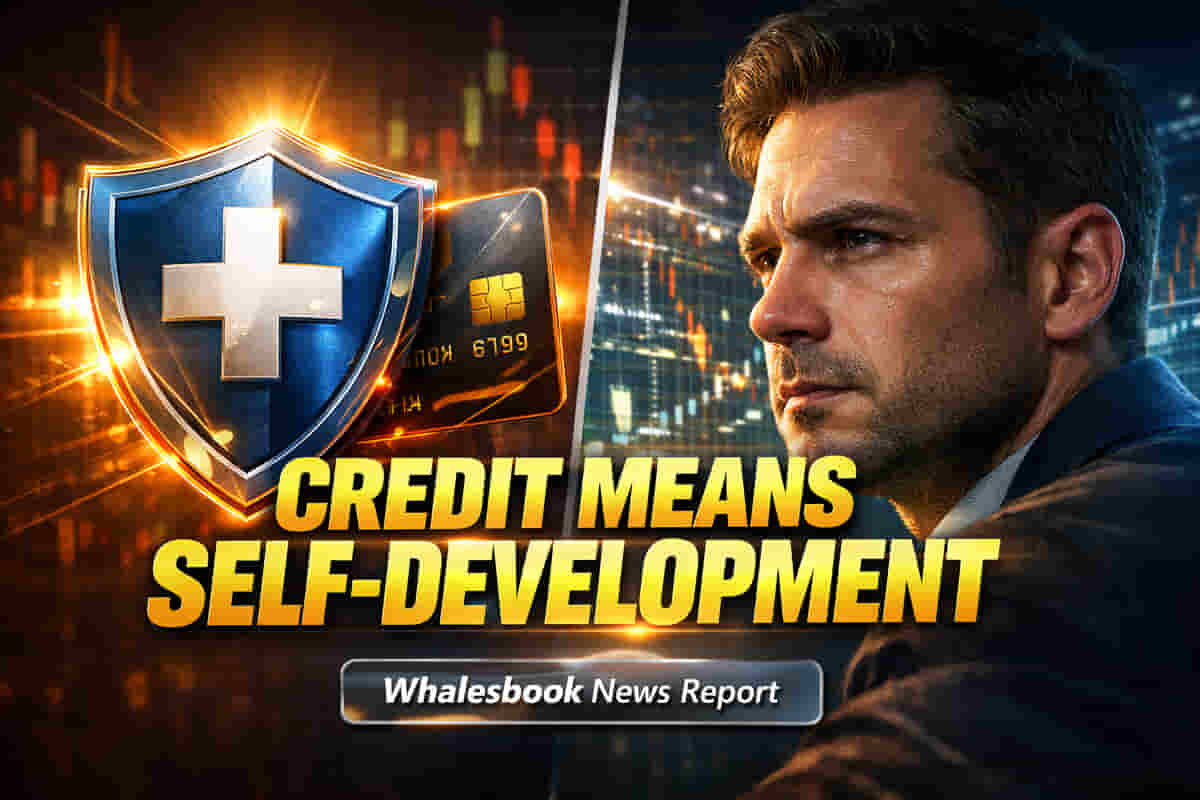
Chief Economic Adviser V. Anantha Nageswaran declared on Tuesday that integrating credit with health protection is fundamentally about fostering self-development, not charity. Speaking at the Global Inclusive Finance Summit, he underscored the need for a robust ecosystem encompassing healthcare insurance and social security to shield both lenders and borrowers.
Addressing Repayment Challenges
Nageswaran highlighted that a primary reason for loan defaults is not borrower irresponsibility but unforeseen health-related shocks. "Even well-designed credit cannot do everything on its own," he noted, adding that illness can derail even burgeoning businesses. This perspective shifts the focus from solely assessing creditworthiness to understanding external factors impacting repayment capacity.
Banks' Role in Formalization
The CEA called for mainstream banks to move beyond passive observation in the economy's formalization process. He urged them to actively absorb new, proven borrowers into their core portfolios, citing the success of initiatives like the Prime Minister's SVANidhi scheme. "The question now is whether the formal banking system is willing to recognise this reality and offer them overdraft, insurance and working capital," he posited.
Empowering Entrepreneurs
Nageswaran stressed that micro-borrowers should not remain in that category indefinitely. He believes the most potent tool for financial inclusion is not merely a loan, but prompt and fair payments to these entrepreneurs. "Fair contracts and prompt settlement do more for small enterprises than microcredit ever will," he stated, asserting that credit growth must align with rising earning capacity to foster empowerment rather than stress.
Impact Investing Expectations
Addressing investors, Nageswaran cautioned against expecting returns from inclusive finance institutions comparable to consumer lending or speculative FinTech. He defined true impact investing as explicitly pricing in social returns and accepting commensurately lower financial returns. This, he asserted, is not a weakness but a responsible approach within the sector, enabling institutions to prioritize customer success.