India Retail Set for 2026 Growth Amid Intense Competition, Policy Needs

Overview
India's retail sector anticipates stronger growth in 2026 after a stable 2025. Sales are projected to climb steadily, driven by renewed consumer confidence and selective spending. However, intense competition from new formats and brands will challenge retailers, emphasizing operational efficiency. Policy support through the Union Budget 2026-27 is crucial for sustaining consumption-led growth.
India's retail sector is poised for a competitive growth phase in 2026, building on momentum gained through 2025. Initial cautious consumer spending gradually improved, with retail sales climbing from 4-5% year-on-year to an estimated 8% by mid-2025, and accelerating to around 11% during the festive season. This indicates a significant rebound in consumer confidence, particularly in discretionary spending categories.
Consumer Spending Shifts
Indian consumers are exhibiting value-conscious yet selective purchasing habits. While essentials remain price-sensitive, discretionary spending is increasingly tied to specific events like festivals, weddings, and lifestyle upgrades. Retailers are adapting by refining product assortments, reintroducing entry-level price points, and favoring targeted promotions. Apparel, footwear, food services, and consumer electronics saw healthy festive performance, though profit margins remain under pressure due to intense competition, even as sales volumes increased in many segments.
Competitive Pressures Mount
Retail expansion in 2026 will be defined by fierce competition. Food and grocery, apparel, beauty, electronics, and home improvement sectors are attracting new formats, private labels, regional players, and digital-first brands. This influx benefits consumers with more choices and competitive pricing. However, for individual retailers, industry-wide growth may not translate directly into company-level performance, making operational discipline and cost control paramount.
Urban vs. Bharat Dynamics
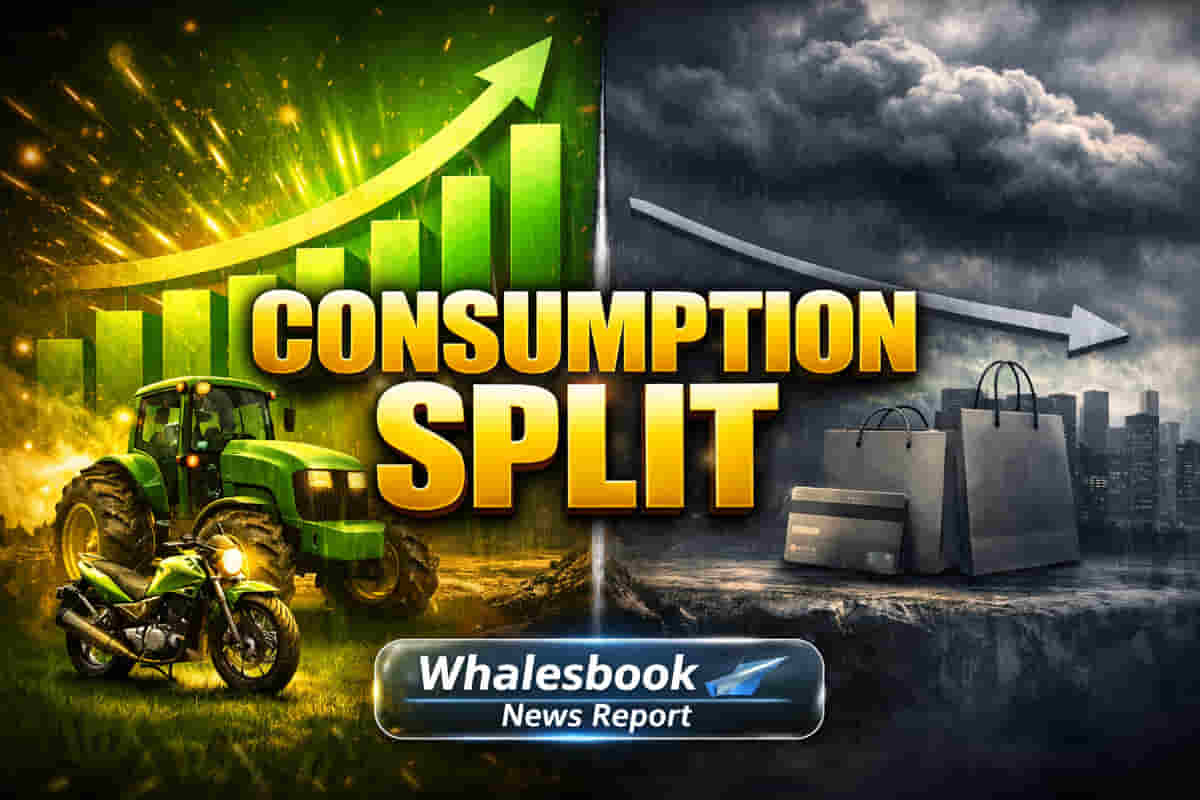
Consumer behavior diverges significantly between urban centers and rural areas. Organized retail, brand-led consumption, and digital shopping are more prevalent in cities. In contrast, smaller towns and rural markets, often referred to as Bharat, rely on neighborhood stores and trusted local retailers, prioritizing affordability and local relevance. While digital connectivity is expanding, distinct growth strategies are required for each market.
Policy Imperatives for Growth
The retail sector contributes approximately 10% to India's GDP and employs nearly 50 million people. To sustain growth momentum and unlock further potential, policy interventions are vital. The Union Budget 2026-27 is expected to play a critical role by reinforcing consumption-led growth through measures aimed at increasing disposable income, reducing the cost of doing business, rationalizing GST, accelerating the National Retail Policy, and improving access to finance for MSME retailers.