AI Power Shift: UAE Minister Flags Leadership Over Tech

Overview
UAE's Minister Omar Sultan Al Olama cautions that artificial intelligence alone won't secure global power. Speaking with Nikhil Kamath, he stresses that swift decision-making, clear leadership priorities, and broad human skills are paramount. Nations delaying AI adoption risk falling behind, but fundamental needs like security and dignity must precede innovation agendas for true progress.
AI as an Economic Foundation
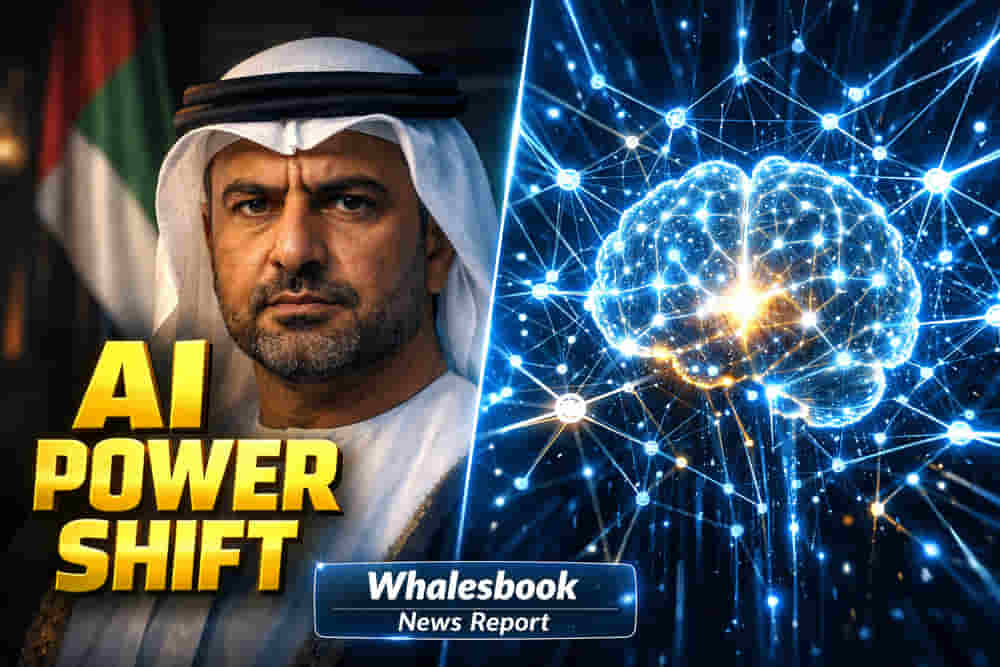
Artificial intelligence alone will not determine global power, according to Omar Sultan Al Olama, the UAE’s Minister of State for Artificial Intelligence, Digital Economy and Remote Work Applications. In a recent conversation with Zerodha Co-founder Nikhil Kamath, Al Olama articulated that decisive leadership, institutional clarity, and clear priorities are the true arbiters of success. AI represents a fundamental structural shift, diminishing the advantages of size and geography while amplifying the risks of policy delays.
The Human Edge in an AI World
Al Olama advocates viewing AI not merely as a productivity tool but as essential economic infrastructure. Nations that effectively integrate AI into governance and long-term planning can surpass larger economies. This approach demands execution over experimentation, as delay is not a neutral stance but a competitive liability. Furthermore, hyper-specialization in the workforce is identified as a vulnerability. The minister posits that human value lies in breadth of understanding—connecting disciplines and making decisions amid uncertainty—rather than narrowly defined expertise.
Prioritizing Basic Needs
The conversation also touched upon the societal impact of AI. Al Olama expressed concern that rising productivity gains might not translate into stronger communities, citing services that monetize loneliness. He underscored that fundamental human needs such as food security, safety, and dignity must be addressed before innovation agendas can yield true progress. Economic metrics alone are becoming insufficient indicators of societal advancement.
Strategic Neutrality and Discernment
In a fragmented geopolitical climate, Al Olama suggests neutrality can be an active strategic choice, enabling smaller nations to act as connectors. True leadership success, he concluded, hinges on discernment—knowing when to act, pause, or listen. This perspective suggests that technology reshapes systems, but effective leadership remains the ultimate determinant of outcomes.