Trump Demands 10% Credit Card Rate Cap

Overview
President Donald Trump is pushing for a one-year cap on credit card interest rates at 10%, aiming to address consumer affordability concerns ahead of the midterm elections. While the proposal seeks to alleviate burdens from current rates often exceeding 20-30%, financial institutions warn such a move could restrict consumer access to credit.
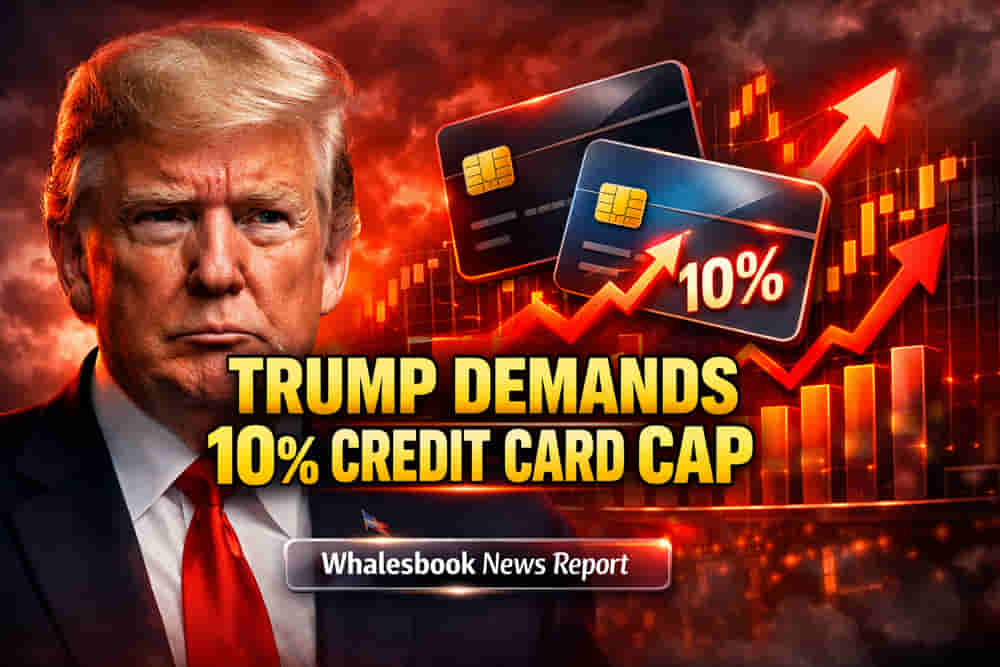
Trump's Policy Push
President Donald Trump ignited a debate Friday by calling for a one-year cap on credit card interest rates, setting the target at 10%. The proposed measure, slated to take effect January 20, lacks specific details on implementation.
Trump stated on social media that the American public will no longer be "ripped off" by credit card companies charging rates of 20% to 30% or higher. He contrasted this with the current administration, calling it "AFFORDABILITY!"
Political Context
The announcement arrives as the Trump administration intensifies efforts to highlight President Trump's focus on cost and price concerns, issues gaining traction with voters ahead of the November midterm elections. Demonstrating action on consumer affordability is a key campaign strategy.
Hours before Trump's message, Senator Bernie Sanders echoed similar sentiments, though he criticized Trump's past actions. Sanders noted that Trump had previously promised to cap rates at 10% but instead deregulated big banks charging up to 30%.
Industry Concerns
The Bank Policy Institute, a trade group, has previously voiced concerns over similar legislative proposals. In a report last year, the institute argued that while capping rates aims to help households with debt, it could ultimately harm consumers' access to credit.
"Bank cards, because of their relatively low minimum required monthly payments, are a vital and affordable source of backup liquidity for many households," the institute stated, suggesting potential negative ramifications for credit availability if caps are imposed.