India, Germany Ink Hydrogen Deal to Modernize Natural Gas Grid

Overview
India's Petroleum and Natural Gas Regulatory Board (PNGRB) has signed a Memorandum of Understanding with Germany's DVGW to integrate hydrogen into natural gas infrastructure. The agreement aims to establish cooperation on hydrogen blending and repurposing gas systems, supporting India's National Green Hydrogen Mission. This initiative will foster evidence-based regulation and standardization for hydrogen applications, potentially impacting companies involved in gas distribution and green energy.
Strategic Partnership for Green Energy
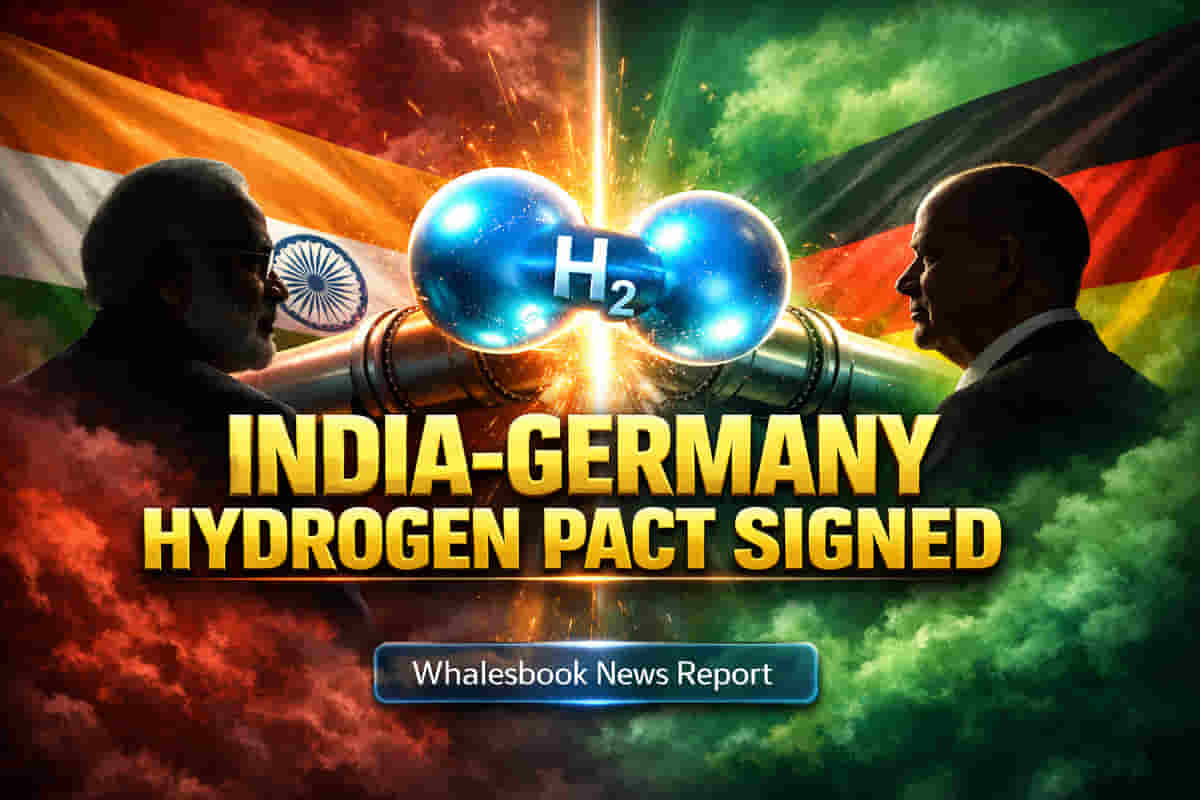
India's Petroleum and Natural Gas Regulatory Board (PNGRB) announced Monday that it has signed a Memorandum of Understanding (MoU) with Germany's Technical and Scientific Association for Gas and Water (DVGW). This landmark agreement establishes a framework for bilateral cooperation focused on the integration of hydrogen into existing natural gas infrastructure.
The MoU was signed in Gandhinagar, Gujarat, in the presence of Prime Minister Narendra Modi and German Chancellor Olaf Scholz. DVGW, a leading German technical and scientific body, plays a crucial role in formulating standards and test principles for gas and hydrogen infrastructure.
Framework for Hydrogen Integration
PNGRB is actively working to prepare India's natural gas infrastructure for future demands, with a specific emphasis on blending hydrogen into natural gas and the potential repurposing of gas systems. This strategic initiative aligns with the goals of India's National Green Hydrogen Mission, which recognizes PNGRB's vital role in facilitating the necessary regulatory environment for hydrogen use in refineries and city gas distribution networks.
The regulator has also proposed amendments to the PNGRB Act, 2006, to explicitly include hydrogen transportation via pipelines and hydrogen-natural gas blends. These changes aim to provide regulatory clarity as the deployment of hydrogen pipelines gains momentum.
Key Deliverables and Future Scope
The non-binding MoU is designed to support evidence-based regulation and standardization, initially focusing on hydrogen blending and progressing towards 100% hydrogen applications, subject to future mandates. Specific activities will be detailed through agreed work plans.
Key deliverables include providing access to DVGW's technical rules and test principles, adapting standards for Indian operating conditions, and developing a Hydrogen Readiness Testing Scheme (HRTS). This scheme will encompass materials, component, and field pilot testing. The agreement also envisages work on hydrogen-ready certification, database development, network simulation tools for blends, safety methodologies like odorisation and leak detection, and regular technical exchanges.