Wholesale Inflation Returns to Positive Territory at 0.83% in December

Overview
India's wholesale price inflation climbed to 0.83% in December 2025, snapping a two-month deflationary trend. The uptick, driven by food, non-food articles, and manufactured goods, contrasts with a softer price environment last year. Fuel prices, however, continue to decline, but overall price pressures are building, prompting closer observation by economists.
Inflation Rebounds into Positive Zone
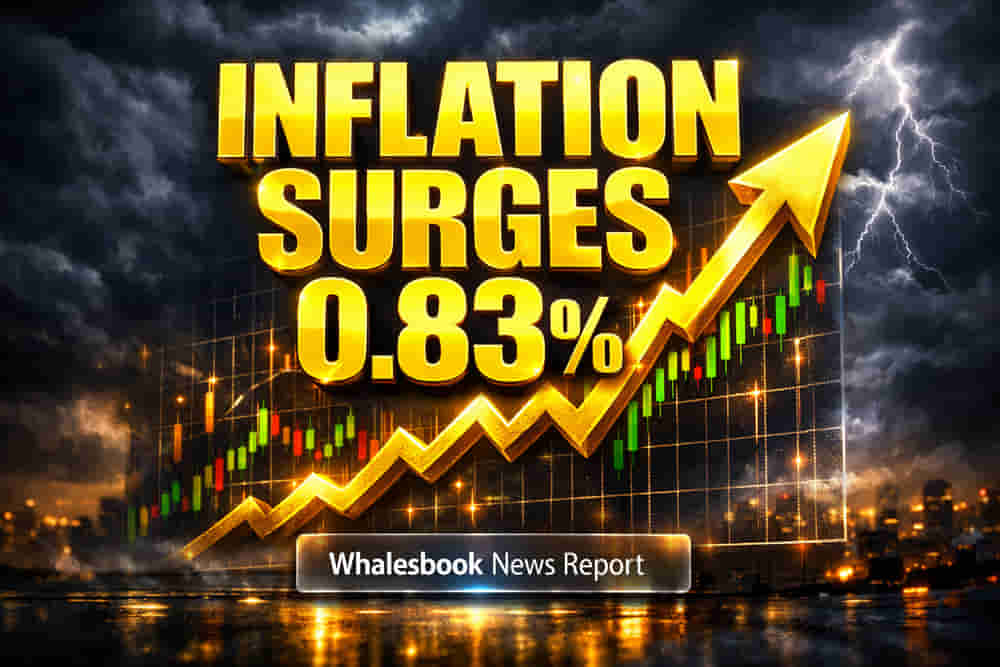
Wholesale price inflation in India moved higher for the second consecutive month in December 2025, reaching 0.83%. This marks a return to positive territory after a period of deflation, according to data released by the government.
The latest reading contrasts sharply with the wholesale inflation rate of 2.57% recorded in December 2024, indicating a softer price environment in the preceding year. The current increase signals a gradual build-up of price pressures at the wholesale level.
Drivers of the Price Surge
The uptick was primarily fueled by elevated prices of food items, non-food articles, and manufactured products on a month-on-month basis. Wholesale food inflation remained flat in December, a significant shift from the sharp 2.6% decline seen in November.
Within food prices, vegetables continued their year-on-year decline but at a moderated pace, falling 3.5% compared to a steep 20.23% drop in the previous month. Manufactured products, which hold the largest weight in the Wholesale Price Index (WPI) basket, saw inflation accelerate to 1.82% year-on-year from 1.33% in November.
Deflation Persists in Fuel Sector
Despite the overall rise, the fuel and power segment remained in deflation. Prices in this segment contracted by 2.31% year-on-year in December, a marginal deepening from the 2.27% decline recorded in the prior month.
Economic Outlook
Economists are closely monitoring these developing trends. While some segments like fuel and vegetables offer price relief, the broader increase in manufactured goods and the return of positive inflation suggest potential implications for retail price levels and future monetary policy decisions by the Reserve Bank of India.