India Rethinks 10-Minute Delivery as Consumers Favor Safety Over Speed

Overview
A nationwide survey reveals 74% of quick commerce users support restrictions on '10-minute delivery' ads. Growing concerns over rider safety and reckless driving are shifting consumer preference away from extreme speed, with many now willing to wait longer for essential goods. Medicines remain the top priority for ultra-fast delivery.
Consumer Sentiment Shifts on Delivery Speed
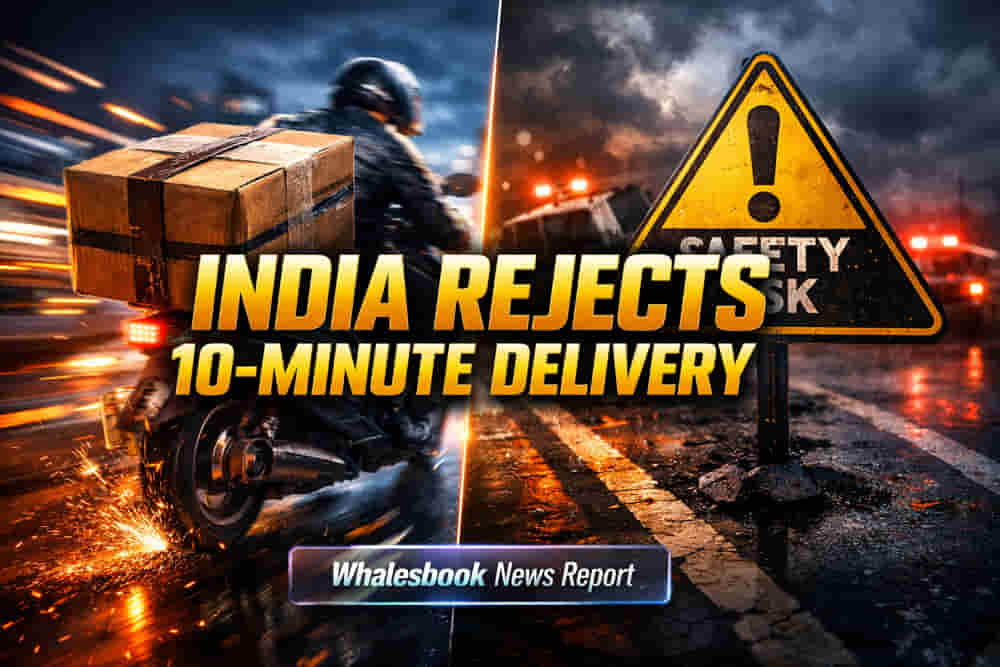
India's ultra-fast delivery model is facing significant consumer pushback. A recent nationwide survey by LocalCircles found that 74% of quick commerce users endorse the Union government's call to curb advertisements promising fixed '10-minute' delivery timelines. This widespread support signals growing discomfort with the human and safety costs associated with extreme delivery speeds.
The Union Labour Ministry has already urged quick commerce platforms to abandon rigid delivery schedules, citing potential pressure on riders and compromised road safety.
Safety Concerns Outweigh Convenience
Of the 49,130 respondents, nearly three-quarters agreed with the government's request for platforms to drop the 10-minute promise. Only 17% opposed the move. This reflects a heightened user awareness that aggressive speed might come at an unacceptable price. Common concerns include reckless riding, unsafe roads, and delivery partners rushing to meet marketing-driven deadlines.
A striking finding is that speed itself is not universally desired anymore. A substantial 38% of quick commerce consumers stated they do not want anything delivered within 10 minutes.
Preferences Dictated by Necessity
Among the 62% still open to ultra-fast delivery, preferences clearly leaned towards essential items. One hundred percent of this group indicated that 10-minute delivery is critical for medicines. Groceries followed as a distant second at 55%, with discretionary items at just 25%.
This survey indicates a recalibration in India's quick commerce sector. While the government's advisory doesn't ban fast delivery, it points towards a move from rigid, headline-grabbing timelines to more sustainable operational practices.