China's Oil Buys Stabilize Market Amid Geopolitical Storm

Overview
China's strategic purchases are single-handedly preventing a collapse in oil prices, even as global markets face oversupply and geopolitical tensions. The world's largest importer is leveraging low prices to bolster its strategic reserves, acting as a crucial buffer against potential supply disruptions.
China's Grip on Oil Prices
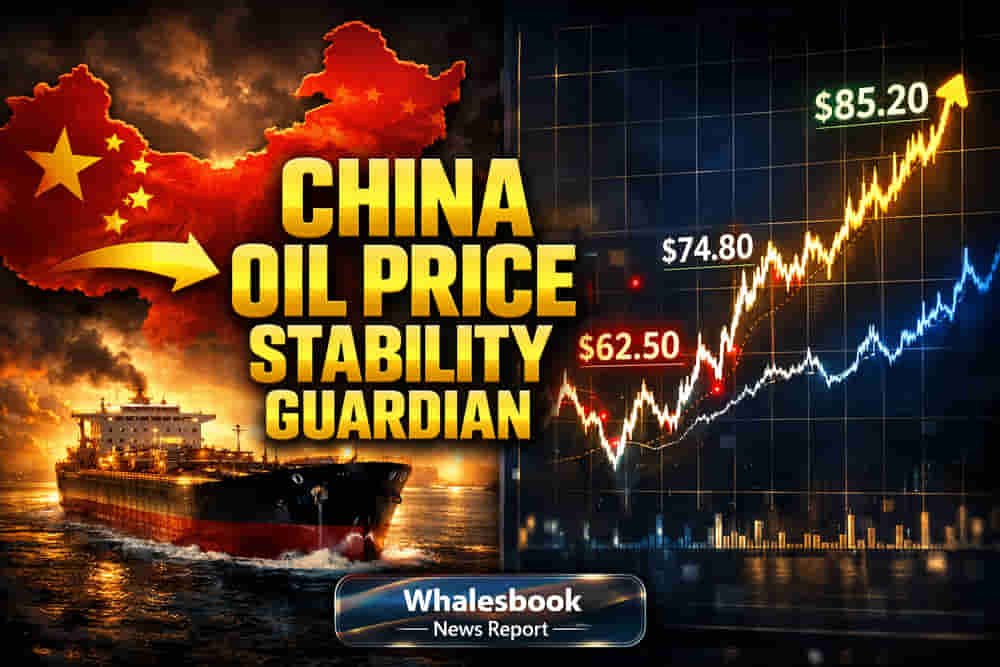
China's strategic purchasing has become the primary bulwark against a steep decline in global oil prices. Despite a market awash with crude, Beijing's opportunistic buying is keeping prices from cratering.
Analysts note that China has been a significant force in preventing prices from collapsing. With the global oil market facing an oversupply of up to two million barrels per day, prices have fallen over the past three years. West Texas Intermediate (WTI) futures hovered just above $61 on Tuesday, a level sustained partly by Beijing's demand.
Strategic Reserves and Geopolitical Headwinds
China, which imports approximately 75% of its oil needs, views these purchases as critical for its strategic reserves. This stockpile serves as a buffer against supply disruptions and geopolitical tensions, including those involving the United States and Beijing's ambitions toward Taiwan.
Traders are closely watching protests in Iran and potential U.S. intervention if unrest disrupts that nation's oil exports. Russia and Iran, historically major suppliers to China, are themselves under U.S. and European sanctions, adding complexity to global energy flows.
Market Dynamics and China's Role
Last year, China's extra oil purchases when prices weakened helped avert a price collapse. "China is why oil isn't $40 and why it’s now around $60 again because those inventories will continue increasing," stated Bart Melek, global head of commodities research at TD Securities.
While U.S. oil production hit record levels and OPEC+ increased output, China's role as a major buyer of Venezuela crude, though a small fraction of its overall needs, has been notable. However, recent reports suggest Chinese government entities have reduced purchases for strategic reserves to avoid antagonizing the U.S. administration. Independent Chinese firms are reportedly handling sanctioned barrels instead. Despite this temporary lull, analysts anticipate an increase in purchases, projecting China will absorb one million barrels or more daily into its strategic reserves due to global concerns. Beijing's actions are seen as the swing factor that keeps the market from becoming oversaturated.