US Tariffs Hit Indian Nutraceutical Exports Hard

Overview
Indian nutraceutical exports face a significant hurdle in the US market due to steep import tariffs of approximately 50% on key ingredients. Industry leaders highlight a critical classification disparity, where identical molecules attract zero tariffs when used as colorants but incur heavy duties for health and wellness applications. This disparity severely undermines export competitiveness and places a substantial price burden on Indian suppliers. The government is urged to address this regulatory gap during trade talks to support the $954 million export segment.
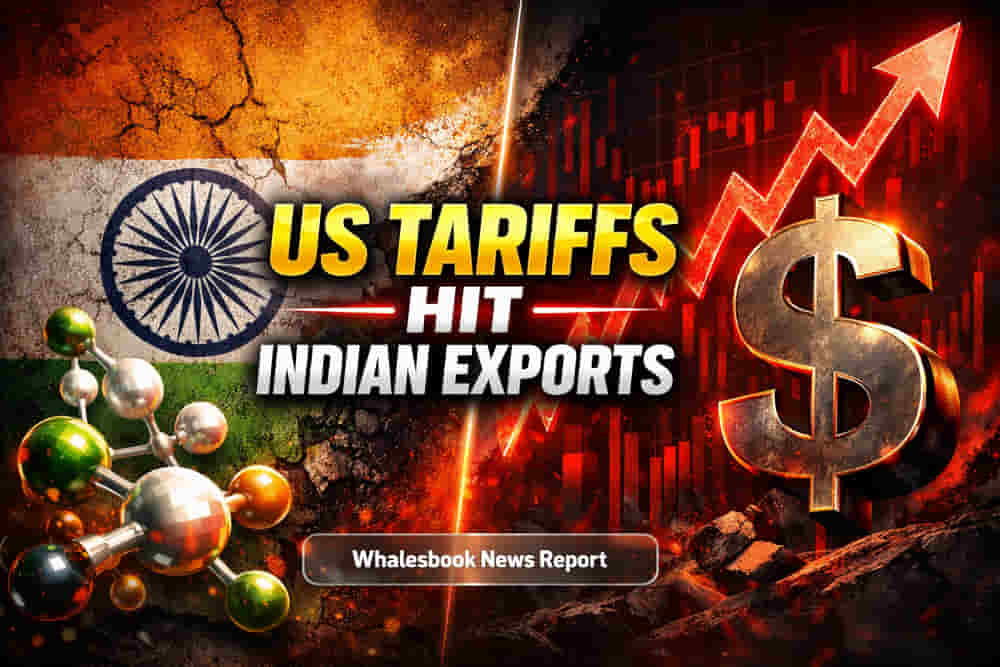
Sanjaya Mariwala, executive chairman and managing director of OmniActive Health Technologies, has highlighted significant challenges facing Indian nutraceutical exports to the United States. Steep import tariffs of approximately 50% on crucial ingredients are hindering trade, despite these products' link to health and wellness.
Regulatory Hurdles
Mariwala pointed out a critical disparity in U.S. tariff classification. While pharmaceuticals currently remain outside the scope of these tariffs, nutraceuticals are not afforded the same consideration. Natural carotenoids and botanical extracts, vital for human nutrition, are particularly affected. "Current classification under Chapters 13 and 21 attracts about 50 per cent import tariffs in the US, while identical molecules classified under Chapter 32 for colorant use attract zero tariff," Mariwala stated in a recent submission to the Commerce Ministry. This anomaly, he argues, severely impacts India’s export competitiveness.
Economic Disparity
The Indian nutraceutical industry is estimated to be worth over $22 billion, with exports reaching $954.41 million up to March 2025. A substantial portion of these exports targets the U.S. market. The existing tariff regime is placing a considerable price burden on Indian exporters, creating confusion for customers and stifling new business opportunities. "We are paying 50 per cent, so it’s really a lot of confusion for our customers wanting to do new things with us," Mariwala explained. He emphasized the need for greater regulatory clarity in classifying nutraceutical products under globally accepted Harmonized System of Nomenclature (HSN) codes.
Industry Calls for Reform
Mariwala urged the government to align tariff policies with scientific and commercial realities, particularly during ongoing trade discussions. He called for the upcoming budget to be "outcome-based, quantified and results-driven," focusing on tangible results from initiatives like the Ayushman Arogya Mandirs. While the nutraceutical industry is part of the Production Linked Incentive (PLI) scheme, Mariwala stressed that for greater impact, the budget must provide a robust regulatory framework and support clinical validation for preventive healthcare initiatives. He also noted that public health spending remains below the 2.5% of GDP target.