India's Coal Sector: A Century of Transformation Powers Economic Growth

Overview
India's century-old coal sector has undergone a dramatic transformation, evolving into a next-gen fuel source. Reforms since 2014 have injected transparency and efficiency, enabling production to surpass one billion tonnes. Coal remains a critical anchor for India's energy security and industrial competitiveness, now integrating with cleaner technologies for sustainable future development.

Historical Roots
India's coal sector boasts a history spanning over a century, beginning with commercial mining in 1774. Early industrialization, spurred by rail links and emerging enterprises like Bengal Coal Company, cemented coal's role as the backbone of the nation's burgeoning industries. By the 1920s, concerns over safety and environmental impact led to increased state participation, laying the groundwork for an organized public structure.
Post-Independence Challenges
Following independence, leaders recognized coal's strategic importance, yet production lagged behind global counterparts. Nationalization in the 1970s aimed for stability but resulted in stagnation, failing to meet the demands of a rapidly growing economy. Policy missteps, such as the Freight Equalisation Policy, hindered development in mineral-rich states. Structural challenges persisted, exacerbated by issues of opacity and corruption that led to significant coal block allocation cancellations.
The 2014 Reset
A critical reset point arrived in 2014, coinciding with rising industrialization and electricity demand. Under Prime Minister Narendra Modi, the coal sector underwent sweeping reforms, dismantling opaque allotment systems for transparent auctions and opening doors to commercial mining. This shift to market-driven efficiency restored investor confidence, tightened corruption risks, and modernized mine planning and logistics.
Economic Engine and Energy Anchor
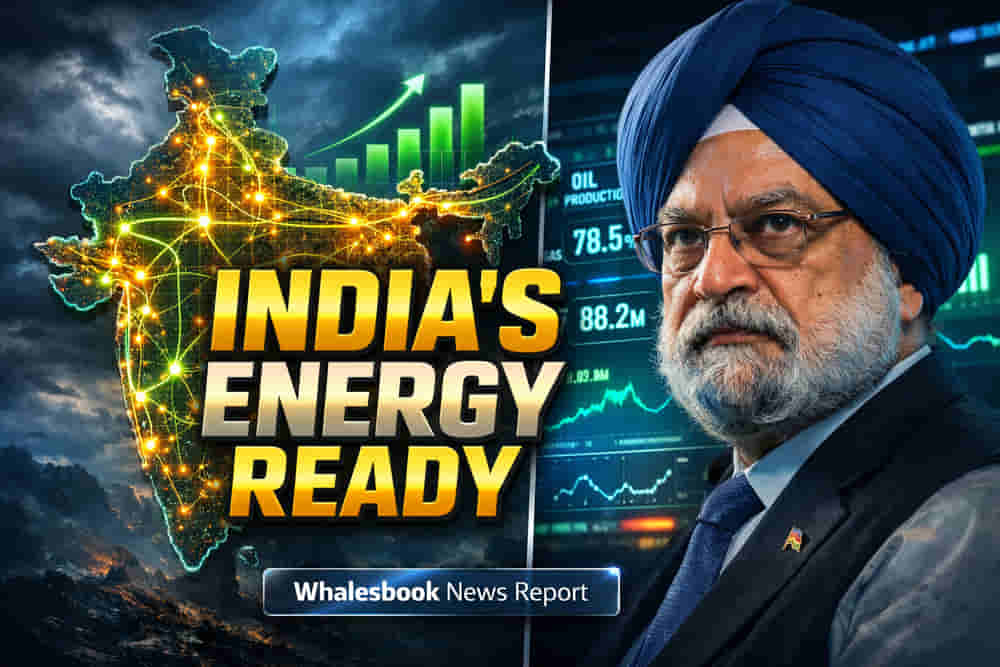
The impact of these reforms has been profound. India crossed the historic one billion tonne production milestone in 2024-25, with targets set for 1.5 billion tonnes by 2030. Coal remains indispensable, supplying 70-79% of electricity and 55-60% of primary energy, ensuring affordable manufacturing costs and baseload stability. It supports millions of jobs and underpins key sectors like steel, cement, and manufacturing, aligning with the 'Make in India' vision.
Green Integration and Future Outlook
As India pursues a low-carbon future, coal is strategically integrated with green technologies. Coal Public Sector Undertakings are investing significantly in renewable capacity, biomass co-firing, and carbon capture projects. Upgraded logistics corridors are facilitating efficient coal evacuation, while future initiatives like a Coal Exchange aim for real-time price discovery. The sector is positioned to contribute to India's 'Viksit Bharat 2047' goals, seamlessly blending with green energy solutions.